I drew more than 500 parts so an algorithm could make heroes that look hand-drawn.
Character system and worldbuilding for Heroes of the Metaverse, a generative collection of unique heroes, and the world they came from.
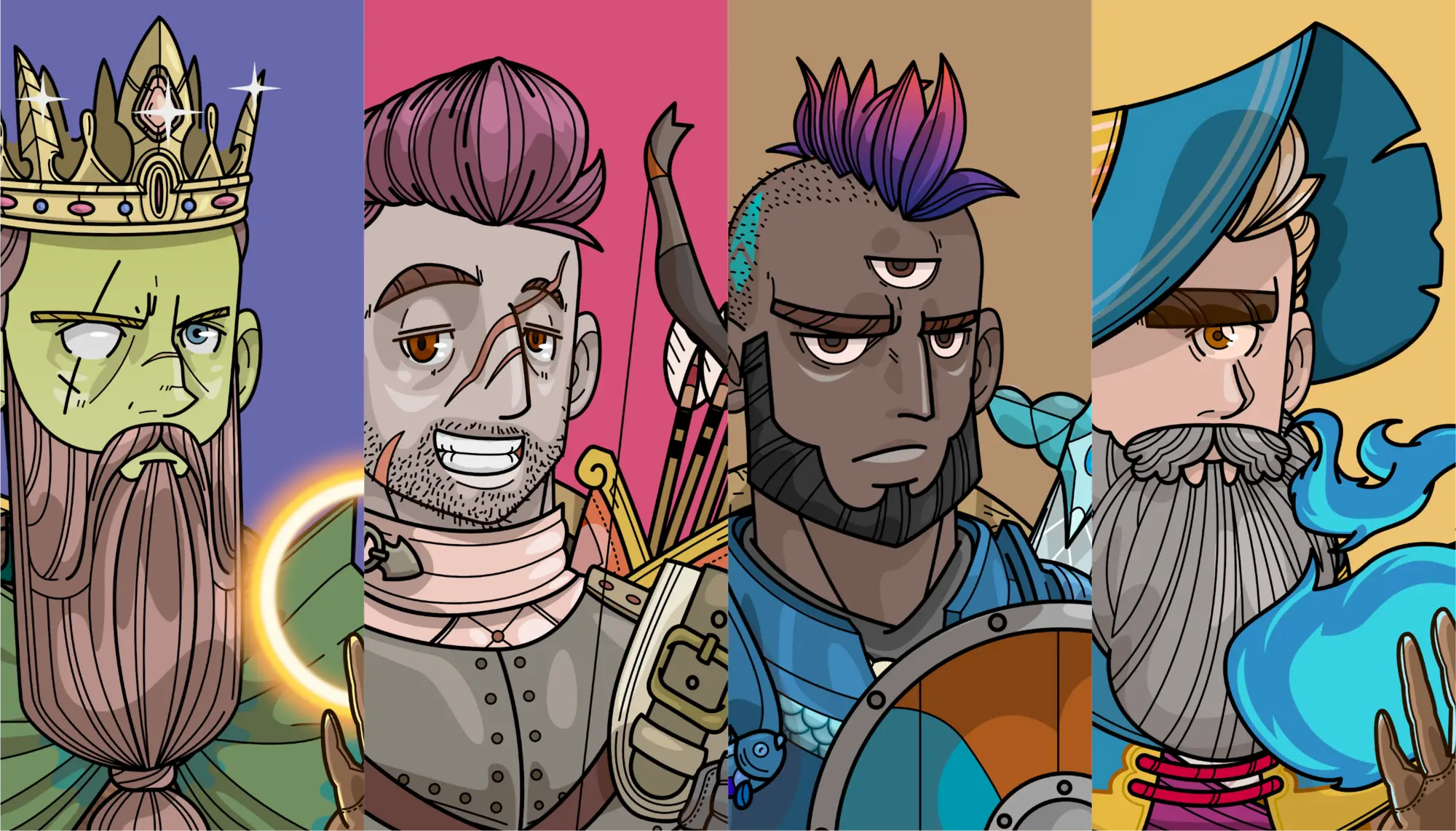
They were looking for a style. They found mine.
In late 2021, digital collectibles were booming. Three entrepreneurs wanted a collection of unique, algorithmically generated heroes. They chose my illustration style from the start, so a few quick tests, like front-facing versus three-quarter views, were enough before production.
Heroes weren't drawn one by one.
I designed a system of interchangeable parts that an algorithm combined into unique characters: skins, eyes, mouths and beards, hair and hats, armor, weapons and backgrounds, for three classes of hero.
The real challenge: everything had to fit
Any piece could end up next to any other. I drew every layer on the same canvas and the same structure, so every combination looked like one hand-drawn character, never a collage. Rarer parts got more detail, more story and more color.
Build a hero
These are real layers from the collection: 100 of the 500+ parts, more than 99 million possible heroes. Roll, and the parts snap into a new one.
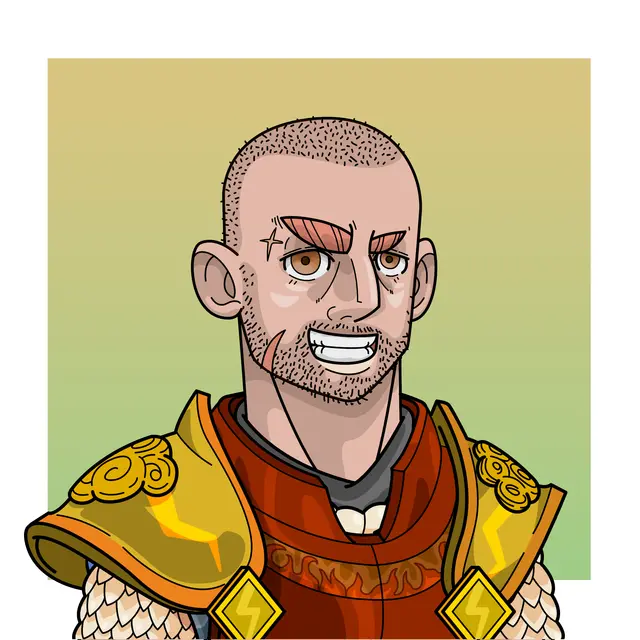
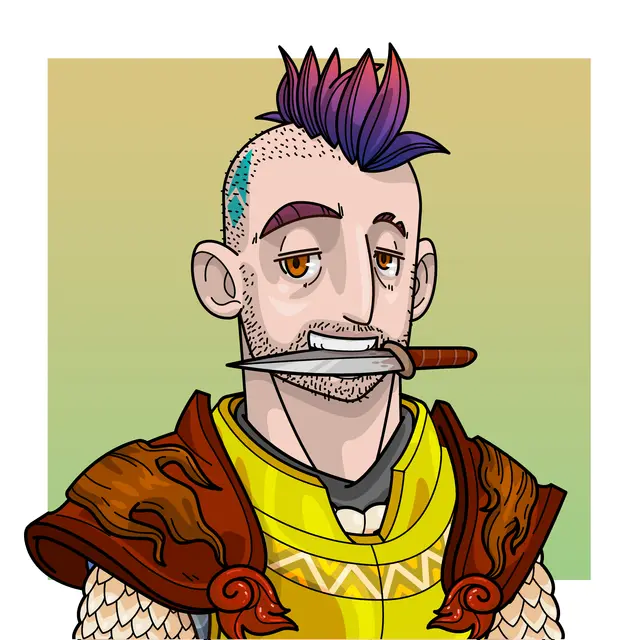
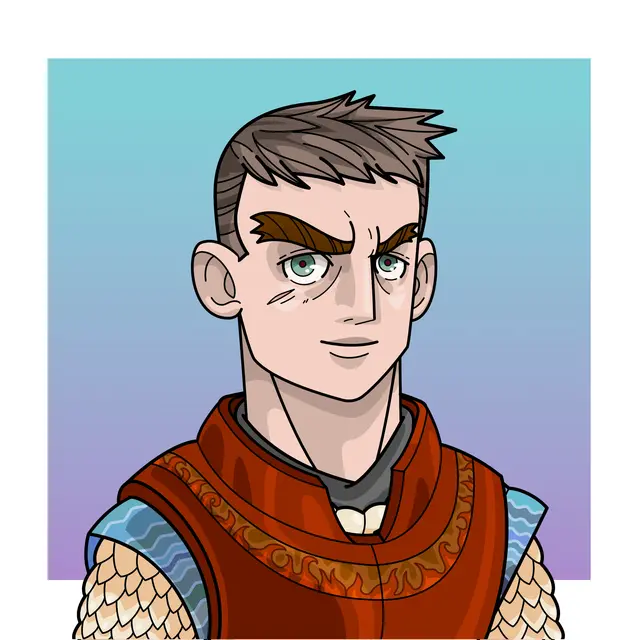
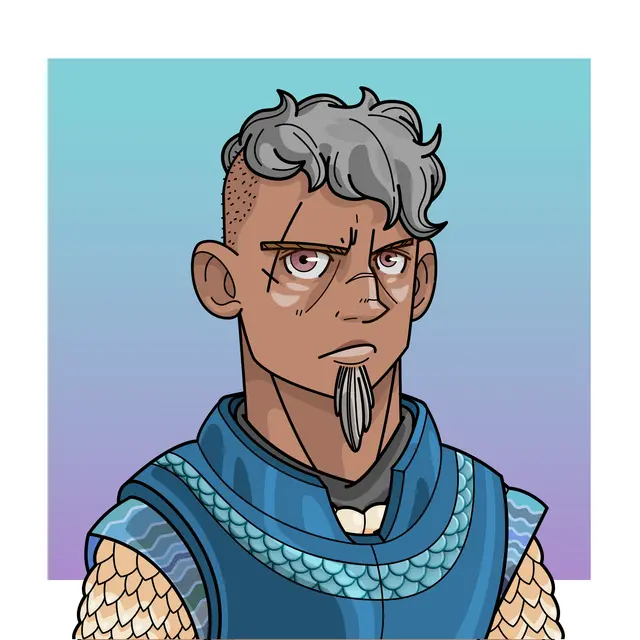
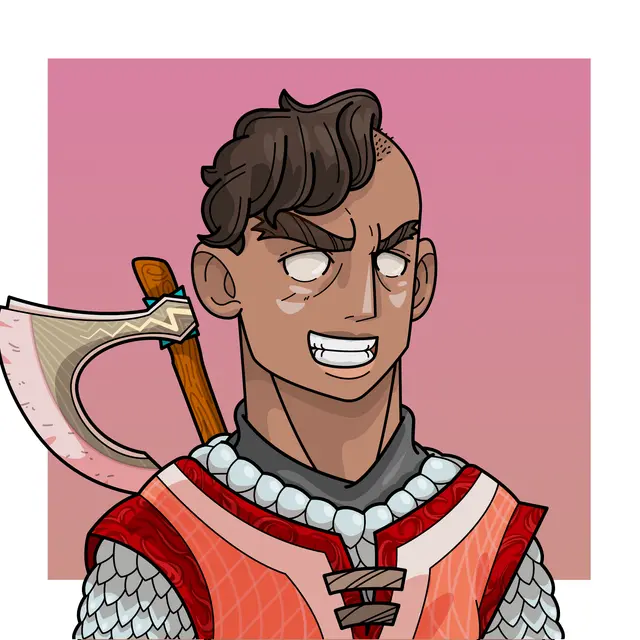
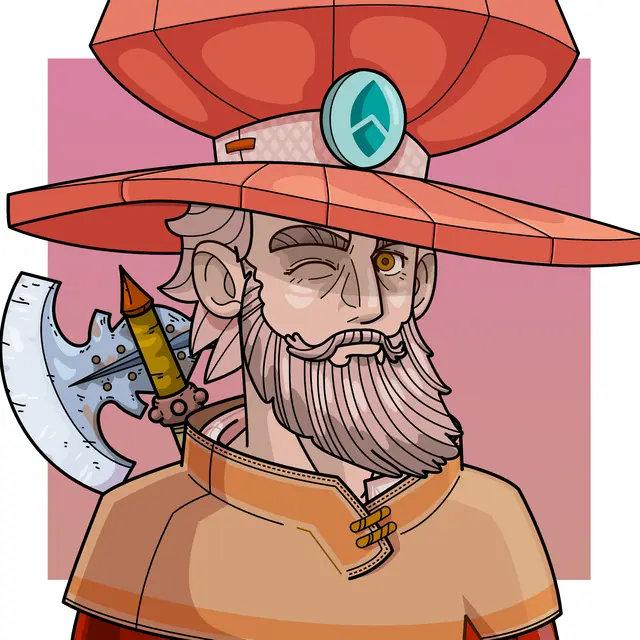
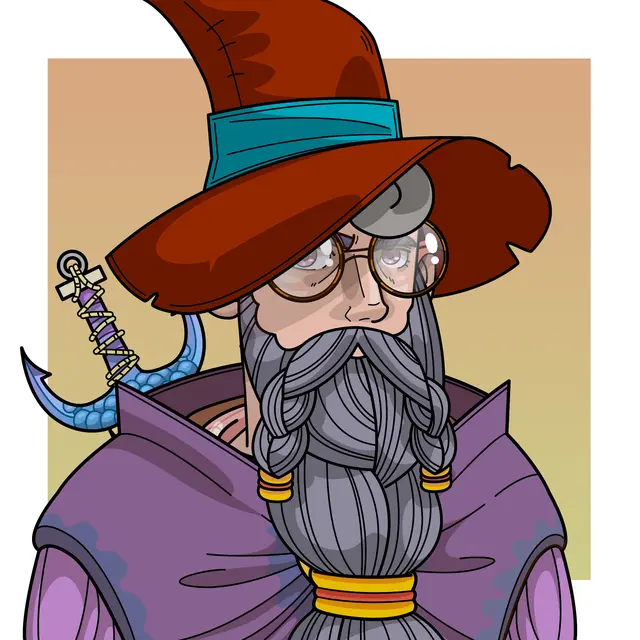
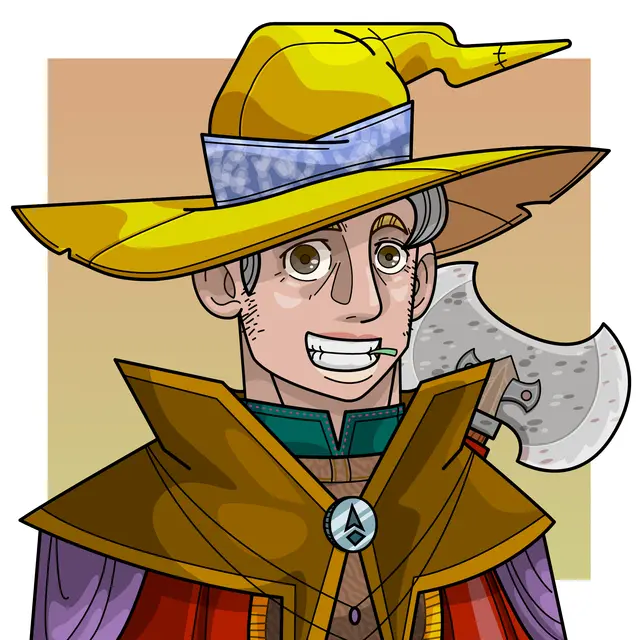
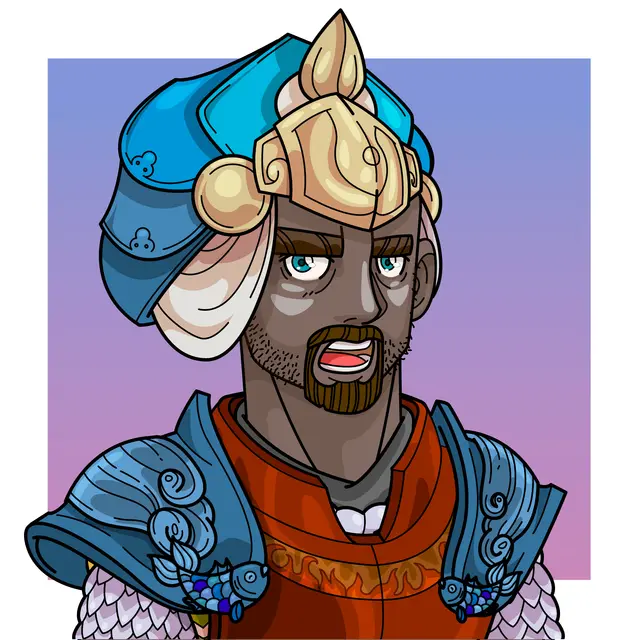
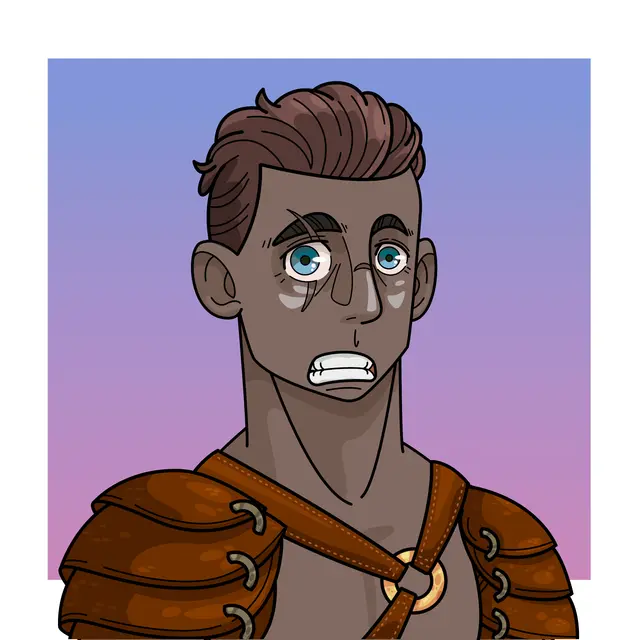
Ten heroes generated from the same set of parts.
Some heroes were too special to leave to chance.
Alongside the generated collection, I illustrated one-of-one heroes by hand: elemental knights of fire, water, poison, earth, lightning and ice.
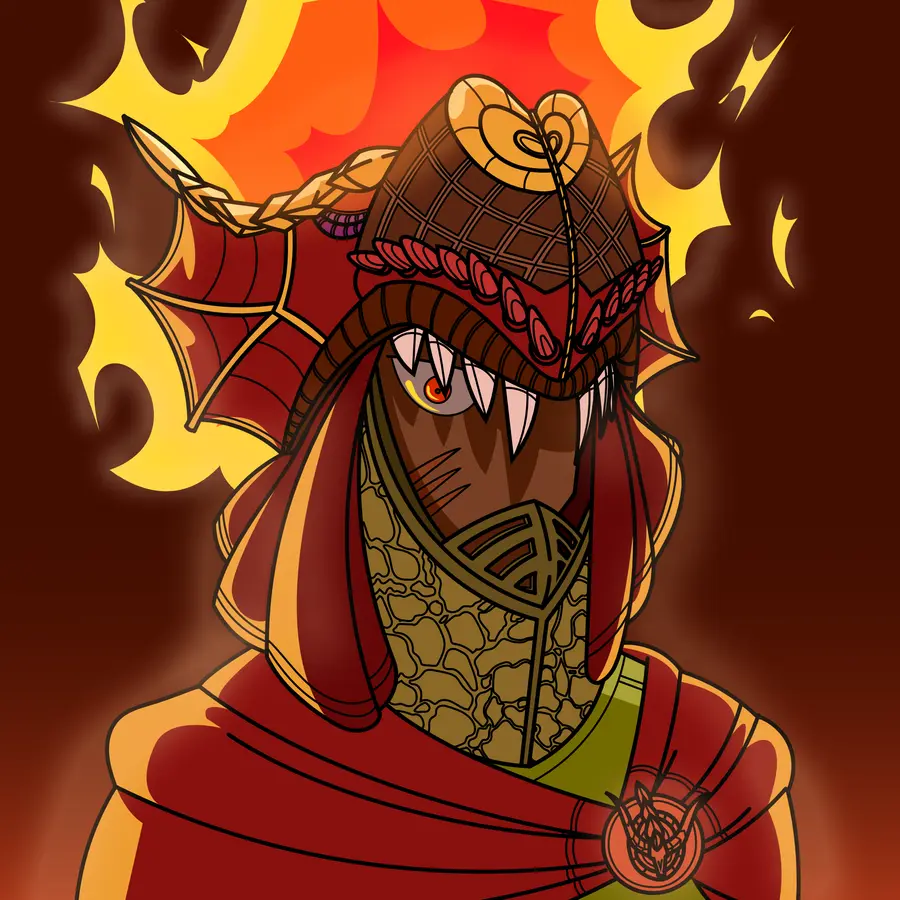
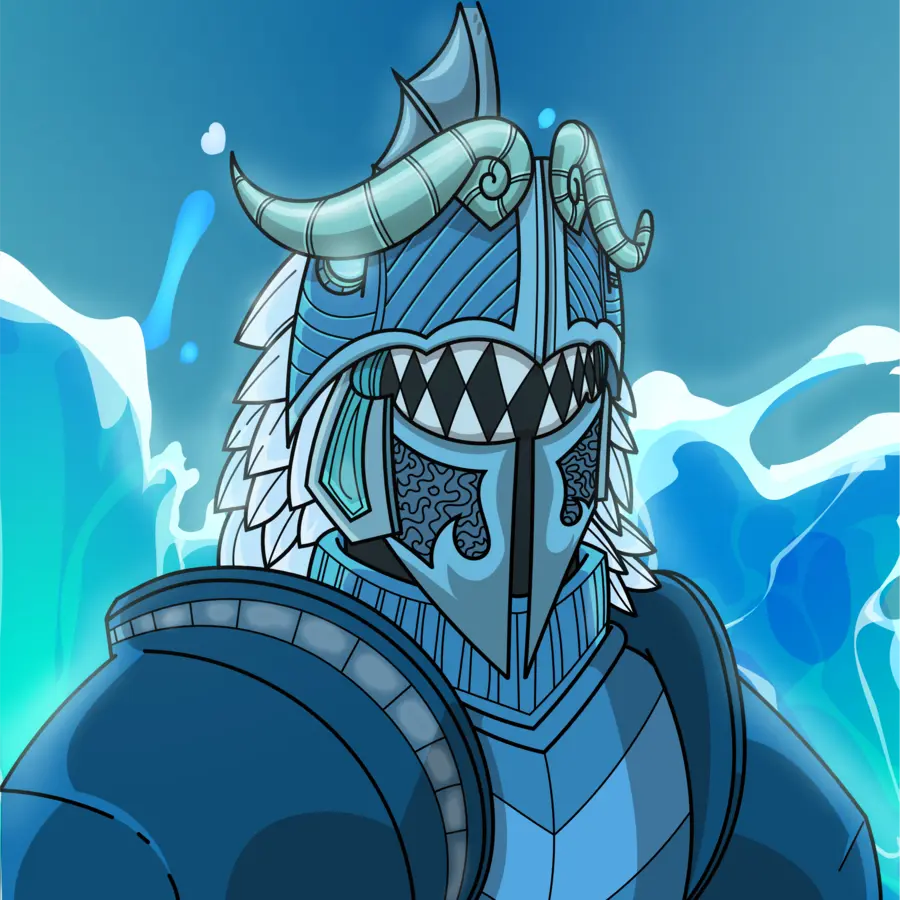
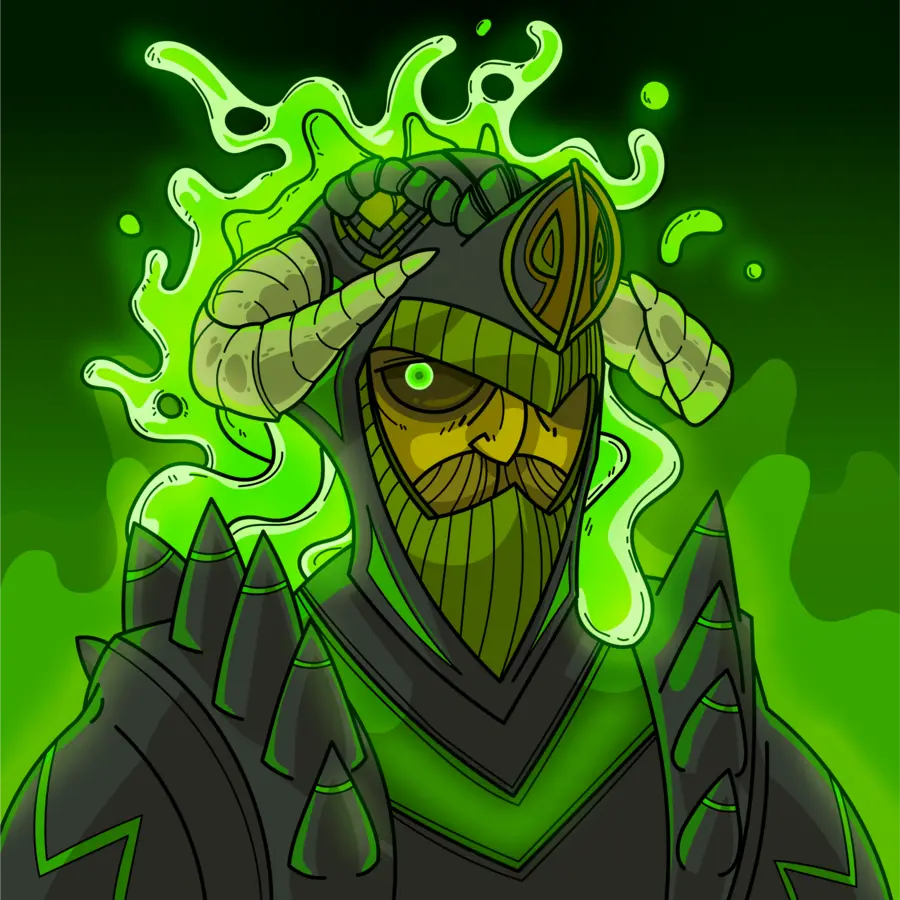
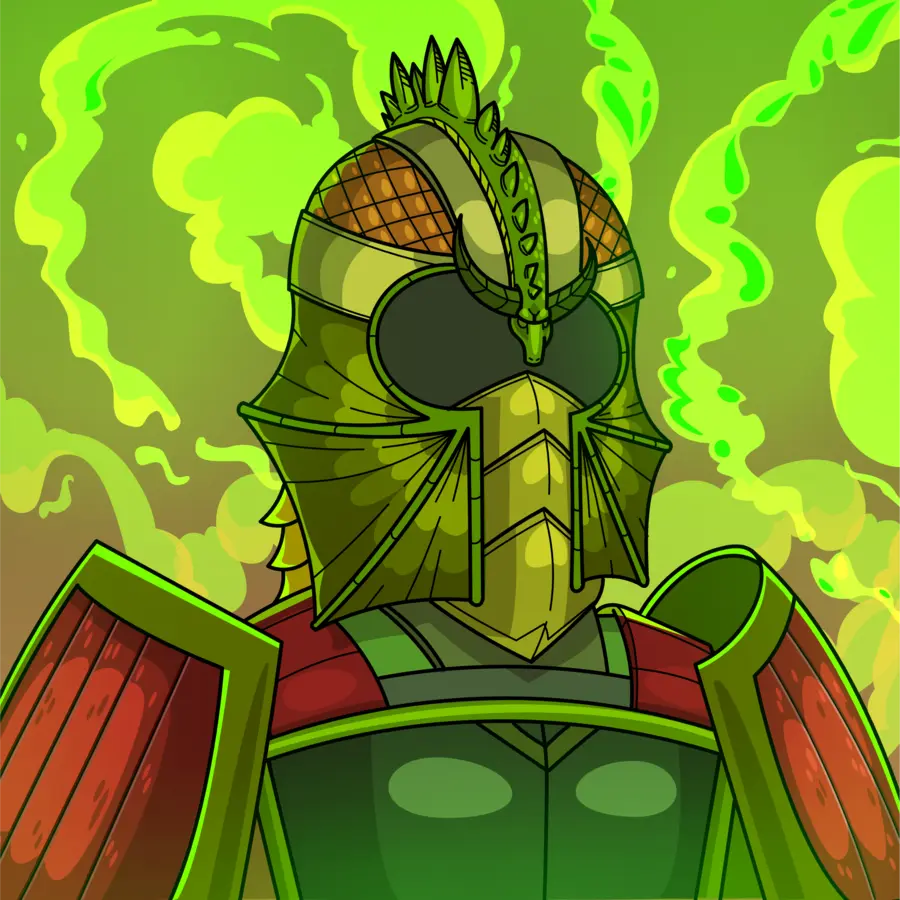
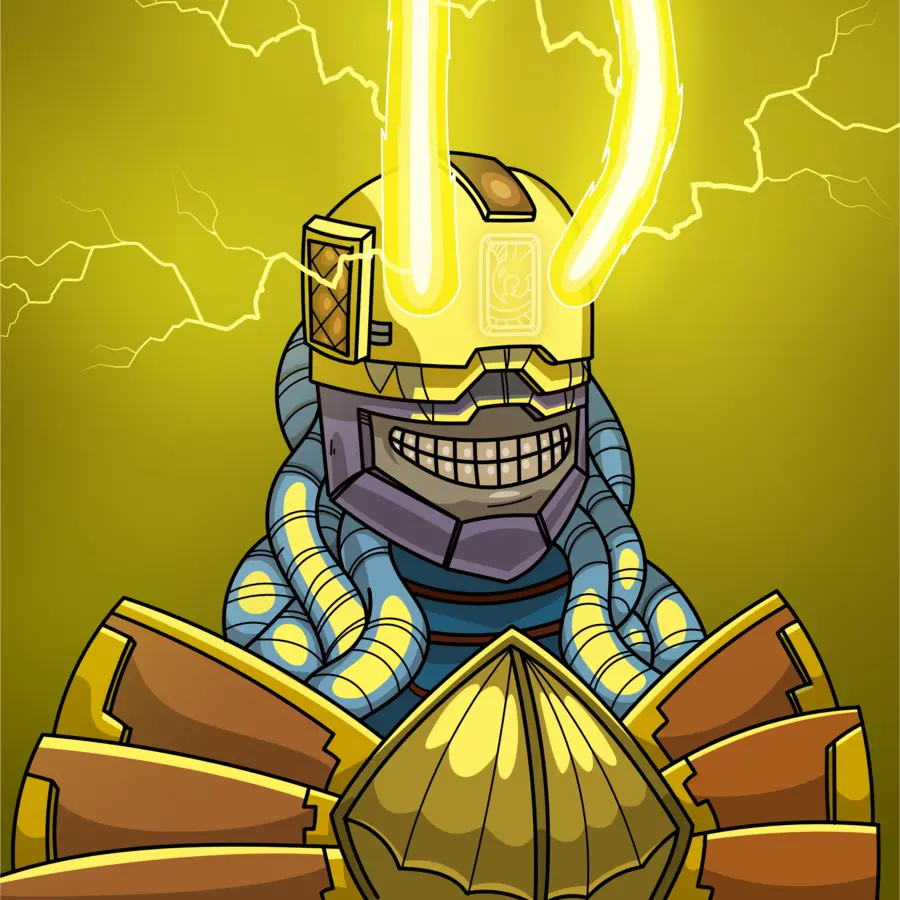
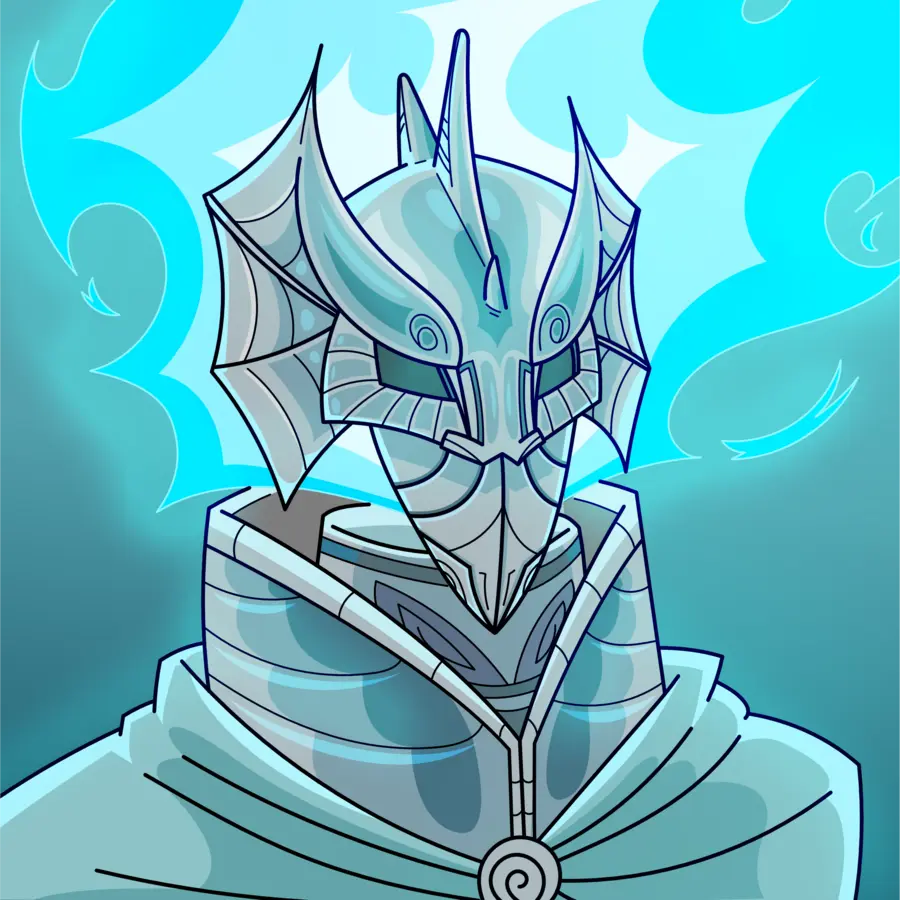
Azargath, and the city of Rendarion.
I wrote the full lore myself: from the creation of Azargath and the ages of gods, titans, elves and humans, to Rendarion, the human city the heroes come from. A scar or a pair of glasses stopped being a trait and became part of a hero's history.
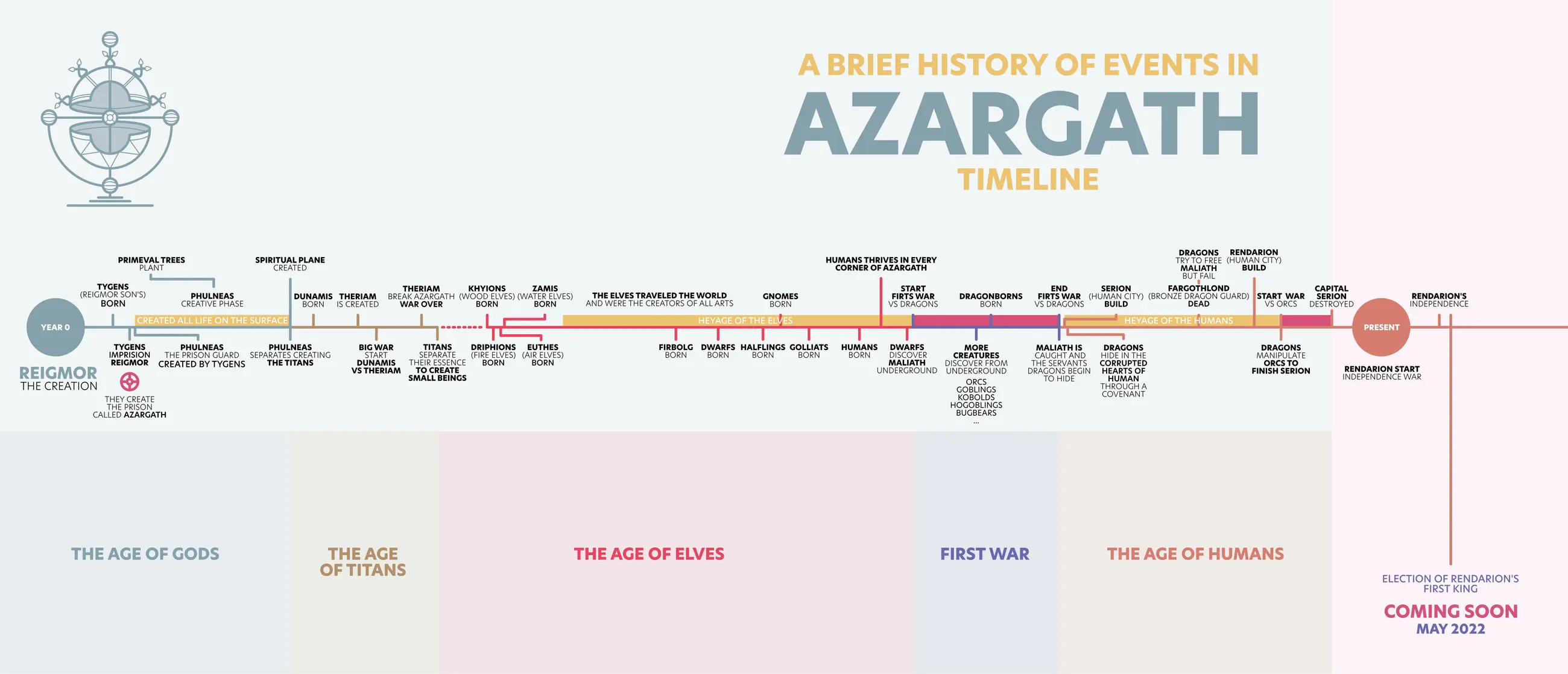
The timeline of Azargath, from the creation to the present day of the heroes.
The collection stopped. Rendarion didn't.
Everything I wrote became the setting of the role-playing campaigns we still play at El Charco de Grinb today.
Heroes ride together.
The community gathered on Discord, and the collection launched on OpenSea. I illustrated the launch art, starting with a hero who couldn't stop checking the server.
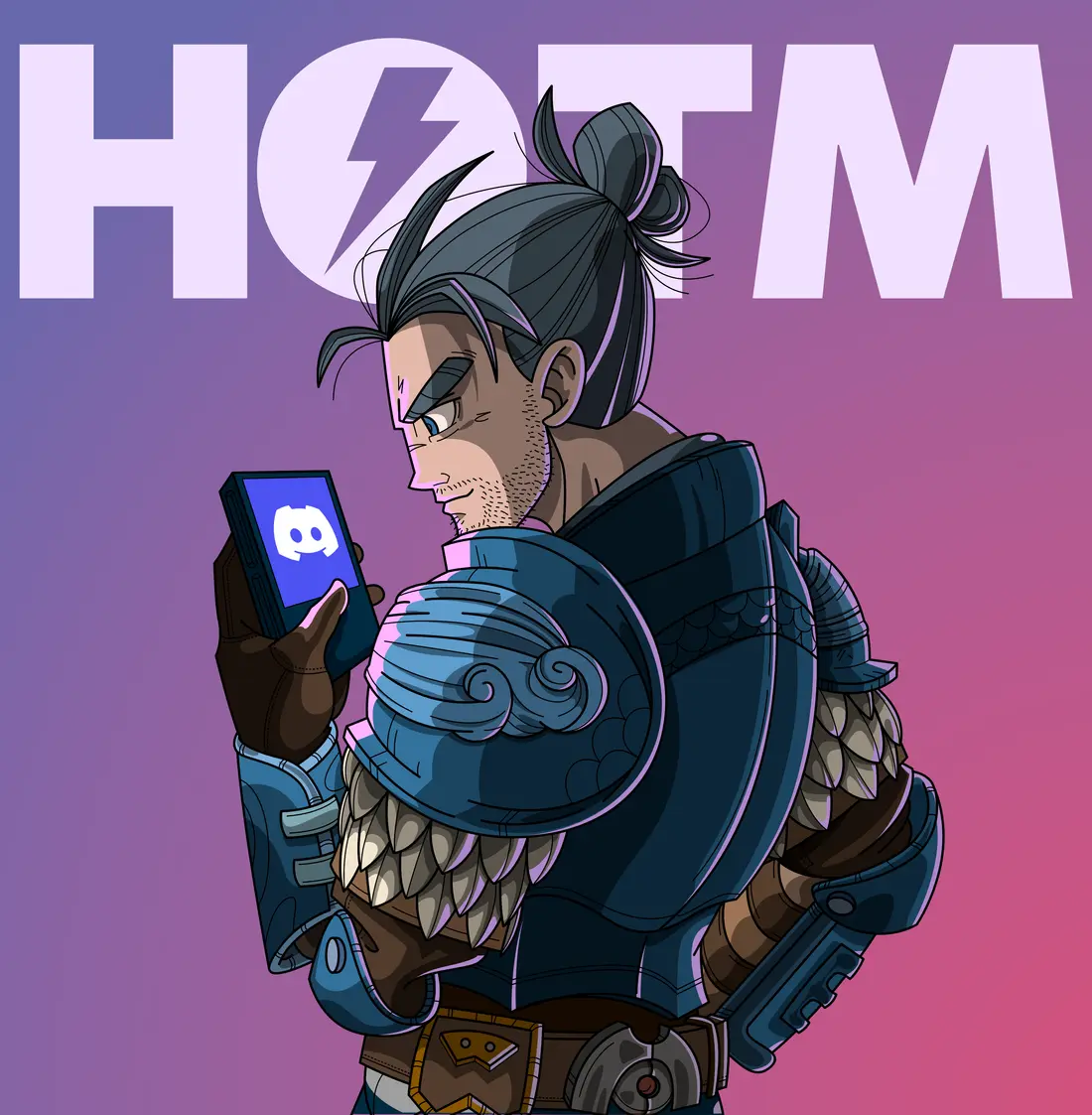
Honest outcome.
The project took longer than planned, and by launch the market had cooled. Sales were slower than expected. The client planned more drops, but after the market shift the project stopped there. Its world is still alive at our gaming tables.
What I learned
Character design at scale is a systems problem. And a good story turns a random combination into a character people care about.
Looking for a designer who can build the system, not only the drawing?
I’m open to remote brand, packaging and product design roles with teams in the US and Canada.