A chocolate maker thought it only sold chocolate. Three projects later, it was selling a brand.
Packaging, campaigns and brand experiences for CACEP Chocolates, a family chocolate company founded in 1987 that had never had a designer.
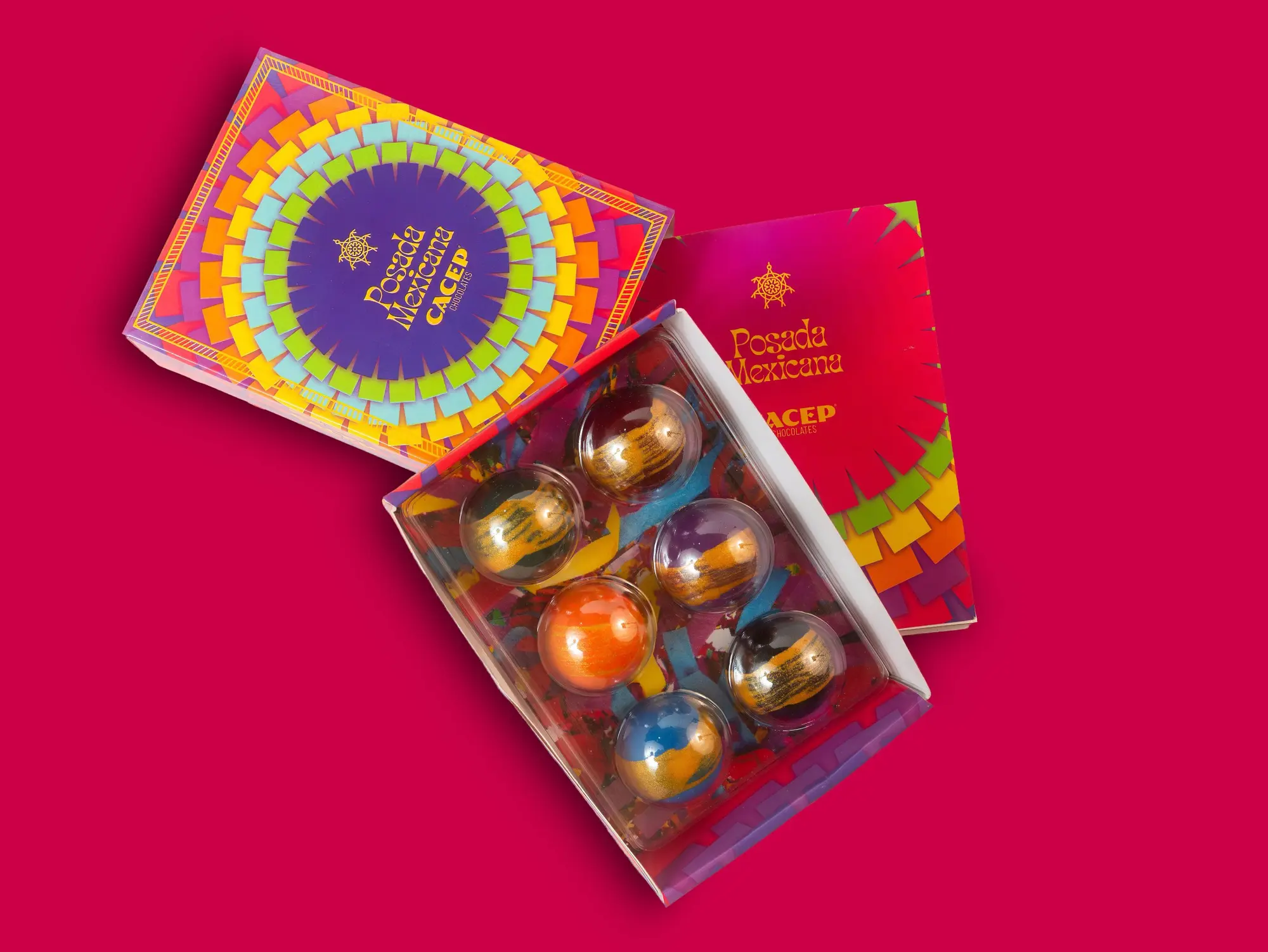
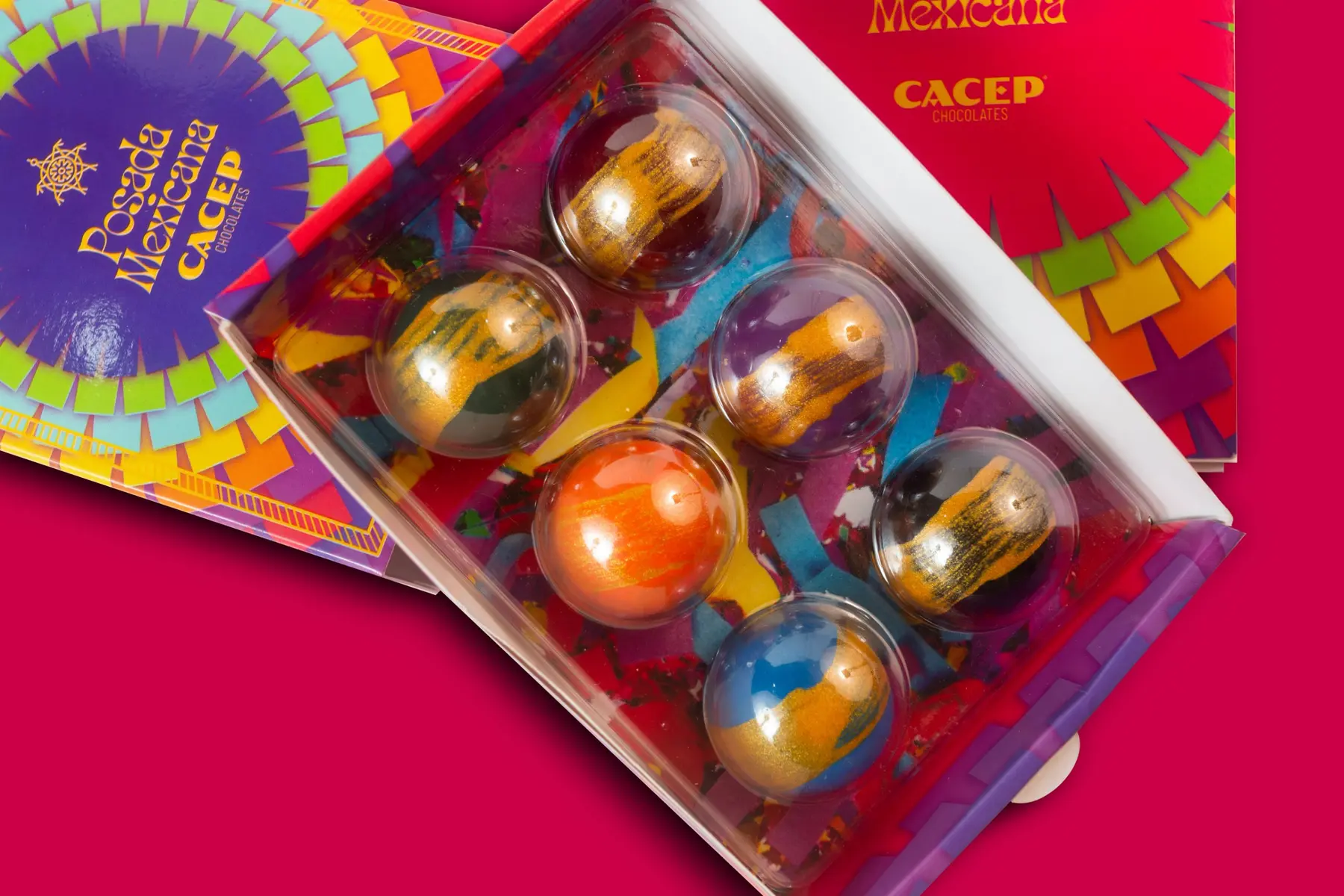
Posada Mexicana photography: Gilberto Villasana
In cacao country, design often comes second.
CACEP was founded in 1987 by engineer Vicente Cacep, and is one of the best-known and fastest-growing chocolate makers in Tabasco. Its chocolate is real chocolate: rich in cacao, while many competitors cut costs by replacing it.
But as CACEP grew, its packaging wasn't keeping up. The company didn't even have a design department. I joined as its first designer, and over three years we built a marketing team of about seven people.
Make the packaging look as good as the chocolate tastes.
Earning trust with a redesign.
As CACEP grew, its kraft bags became a bottleneck. They were screen-printed, then filled and sealed by hand, and every batch passed through several suppliers and days of waiting. The company switched to printed plastic pouches and asked me to redesign the bag for the new process.
- Before: a screen-printed kraft bag that felt homemade, with a slow, multi-supplier production chain.
- After: a snack pouch that looks like it comes from a growing brand, made with a simpler, faster print process.
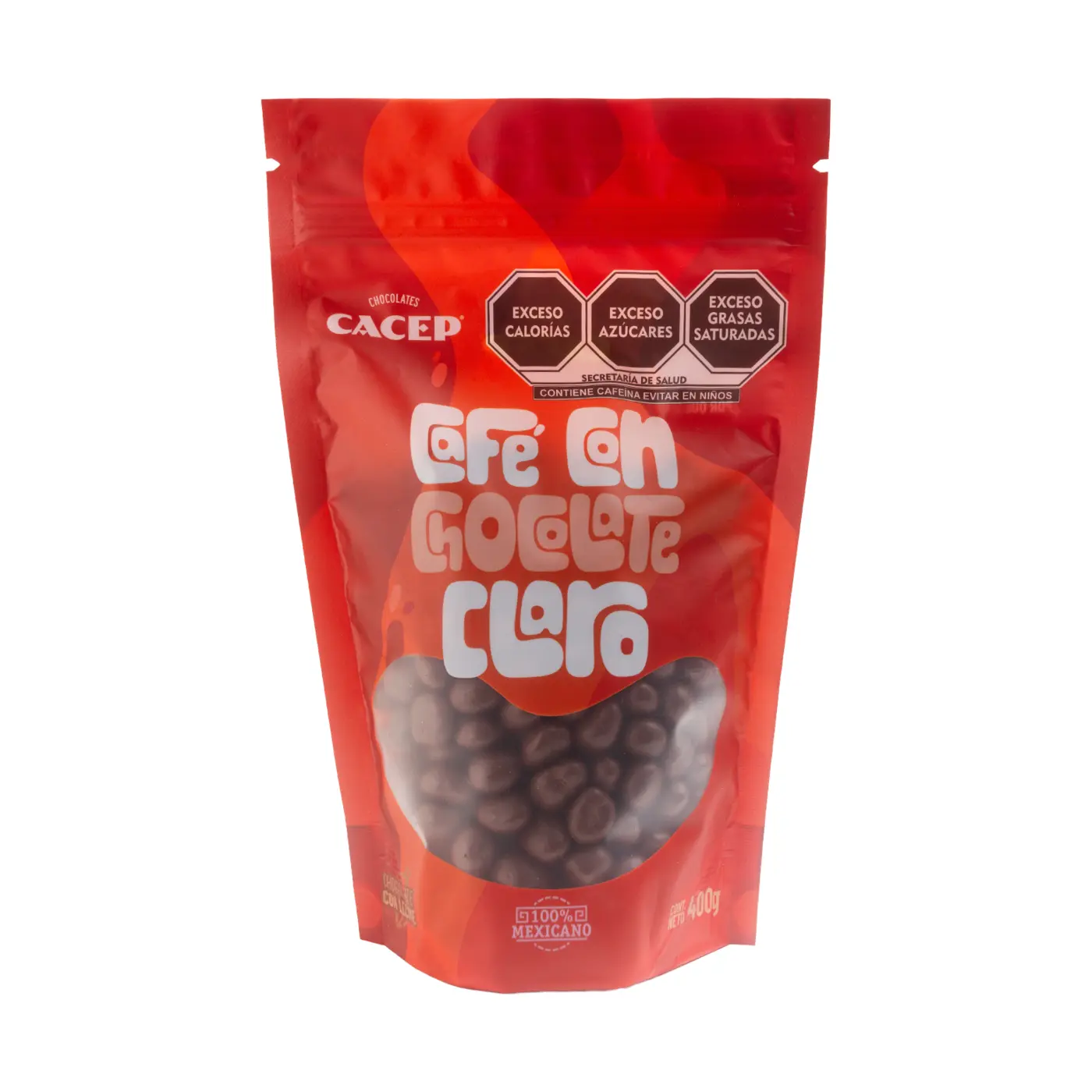
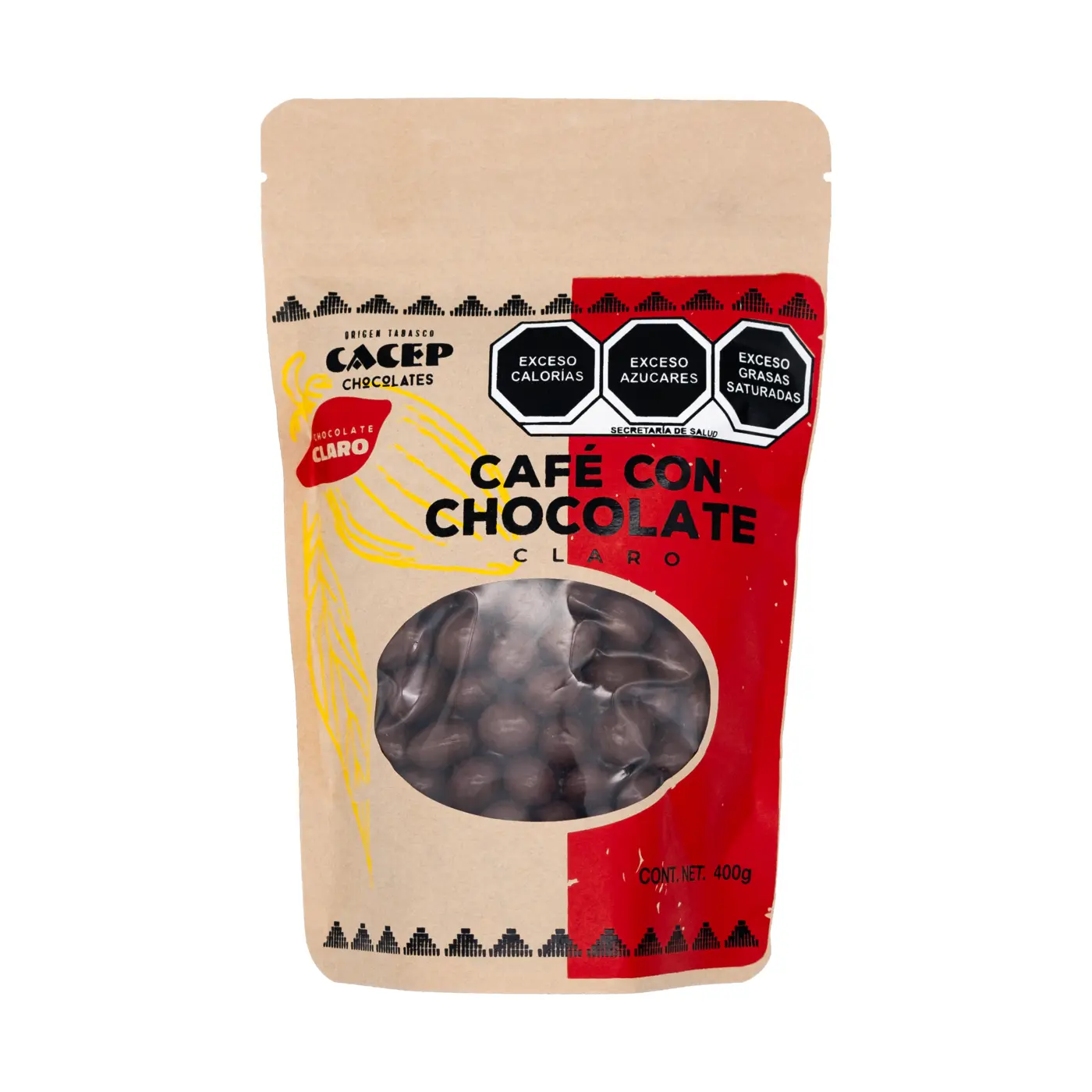
Drag to compare the original bag and the redesign.
From homemade treat to energy snack
I kept the product's red, so regular customers would still recognize it, and the window people relied on to see the chocolate. The new printing let us cut the window in any shape, so it became a smile. Rounded forms and bouncy lettering speak to the people who actually buy it: a bite before work or after the gym, with real, high-cacao chocolate instead of a protein bar.
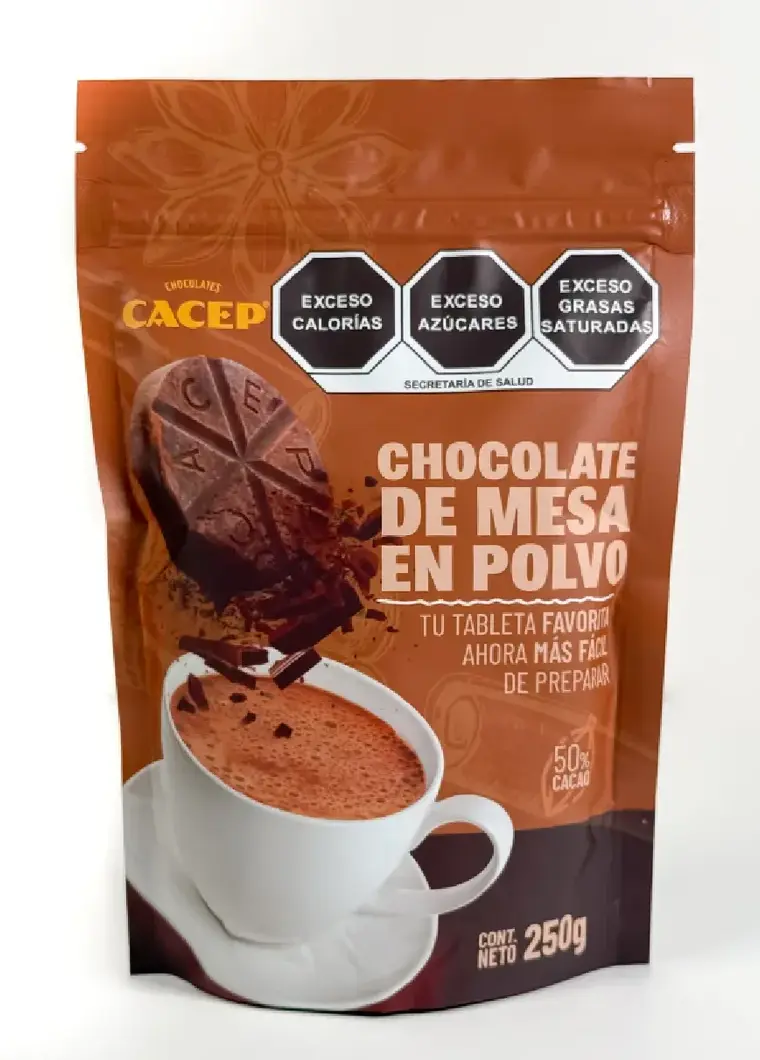
I also led the conversations with the new print suppliers, turning what the company needed into specs they could produce. The company loved the result, and soon I was trusted with the rest of the line: the powdered mochaccino, the wood-fired table chocolate in powder and more.
The box nobody believed in.
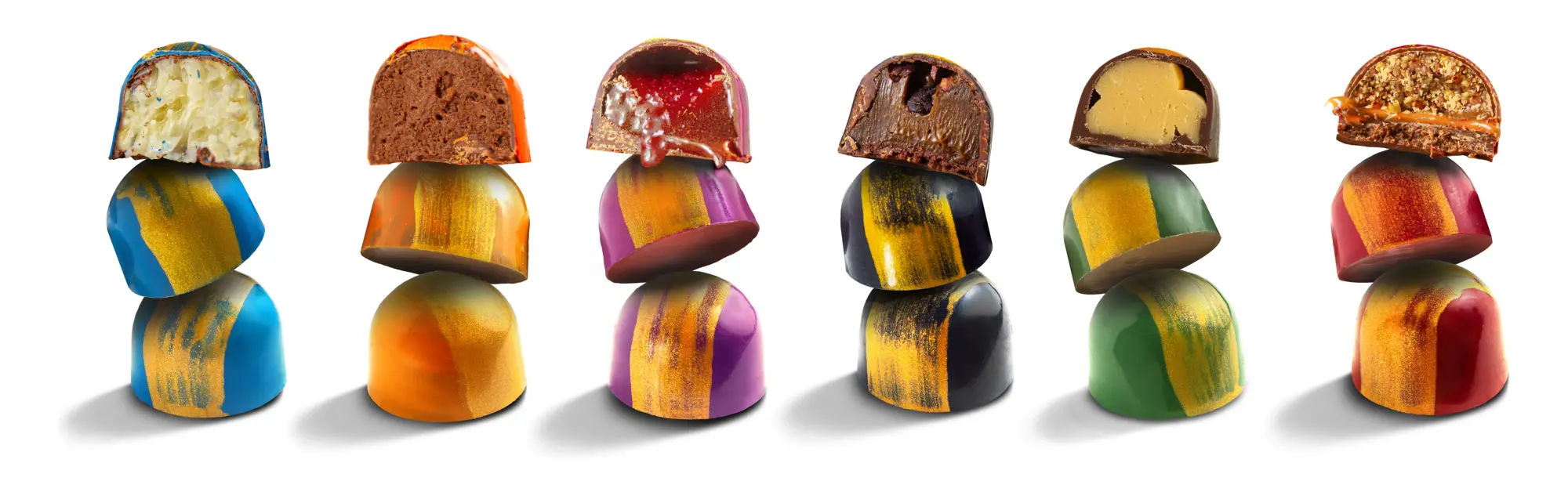
The Posada Mexicana box was our first product created entirely from scratch: a premium Christmas gift box celebrating the Mexican posada tradition. I designed the structure, the unboxing experience and a leaflet introducing each chocolate and its story.
The hardest part wasn't the design
CACEP had always focused on affordable products and didn't believe a high-end box could sell. Together with our marketing director, I defended the idea before the company's directors: our cacao was good enough to compete at that level, and the packaging could prove it.
“I sell chocolate, not cups.”
The 2026 World Cup was coming to Mexico, the United States and Canada, and we proposed a series of collectible cups. That was leadership's answer. CACEP sells chocolate, and 10,000 cups was a very large investment in something that wasn't chocolate.
The marketing and sales teams made the case together, with two arguments. The Posada Mexicana box had just proved that people pay for the brand, not only for the product. And we broke the order down by store: split across every branch, the number of cups each one had to sell no longer sounded absurd. The owner approved it with one condition:
“I'll sign the check, but you're responsible for the results.”
Four characters, one set
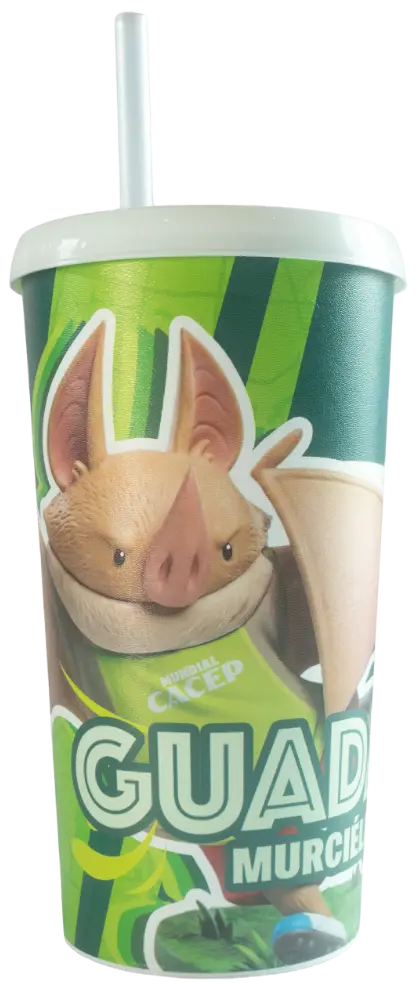
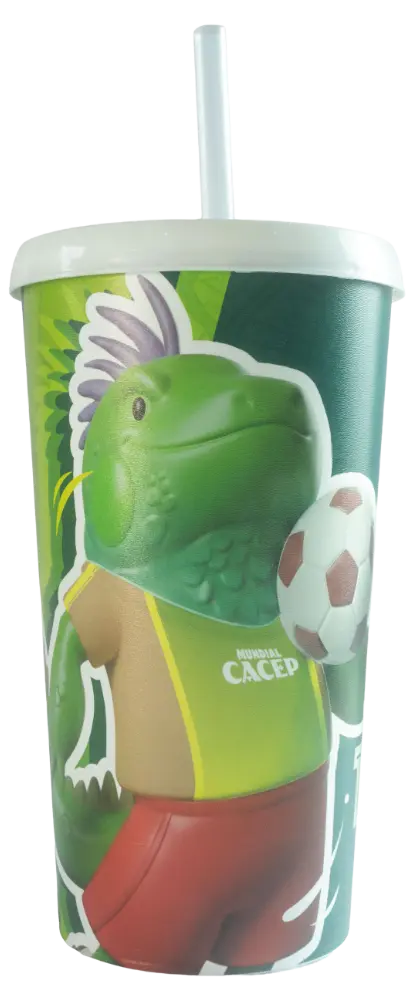
I designed one character for each Mexican host city, plus Tabasco, where CACEP was born.
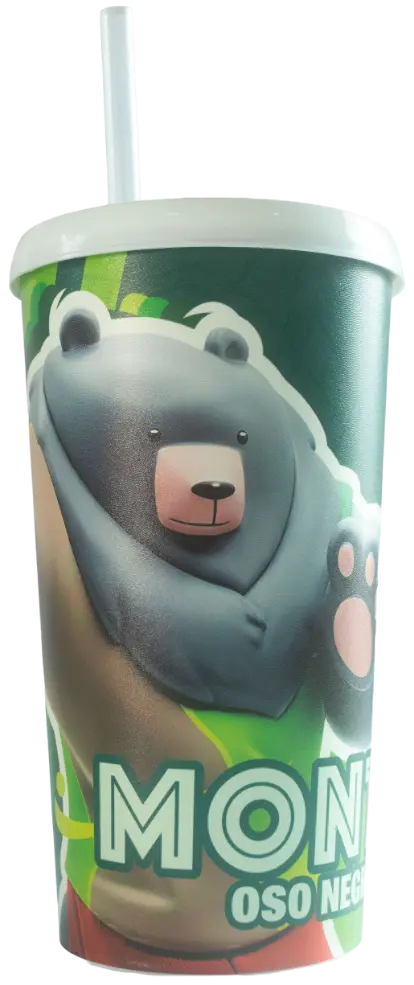
I developed every character by hand, from pencil sketches to final line art and color. Designing a set means designing silhouettes: the bear is an inverted triangle, the iguana is slim, the bat is long, so each one reads on its own and the four work together. To meet the launch date, I used AI to turn the approved artwork into the 3D renders on the cups.
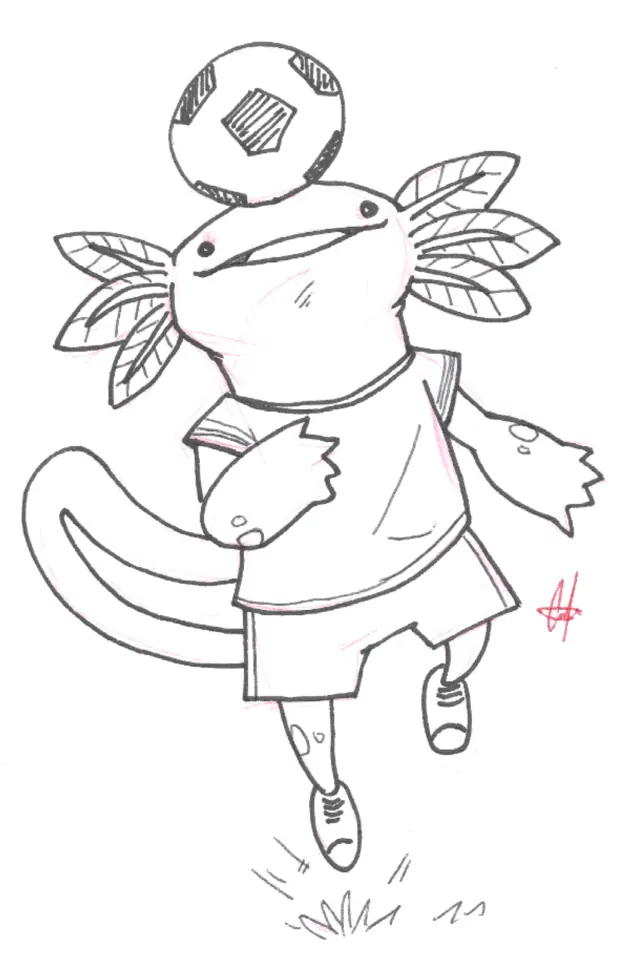
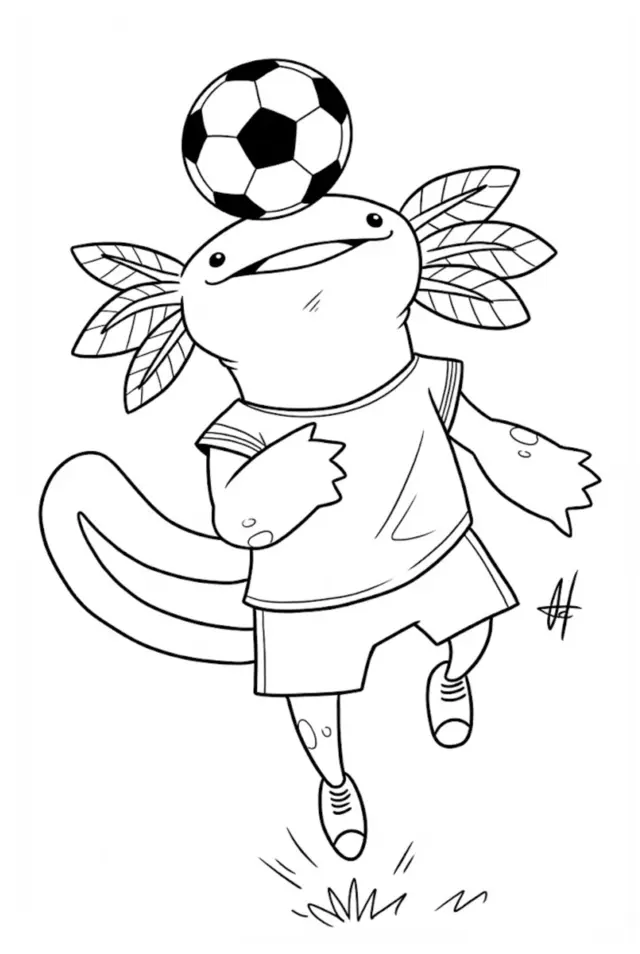
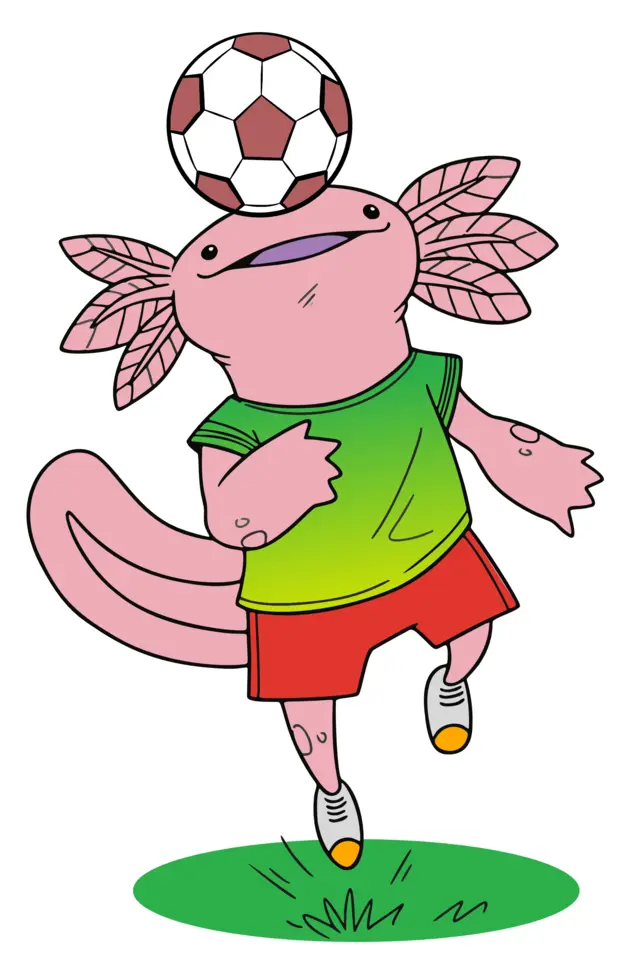
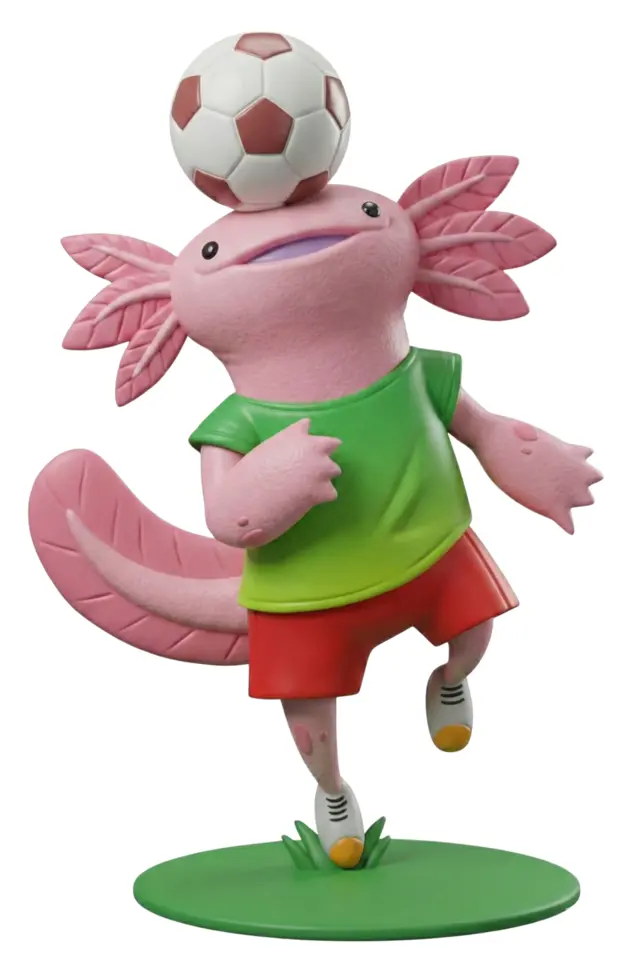
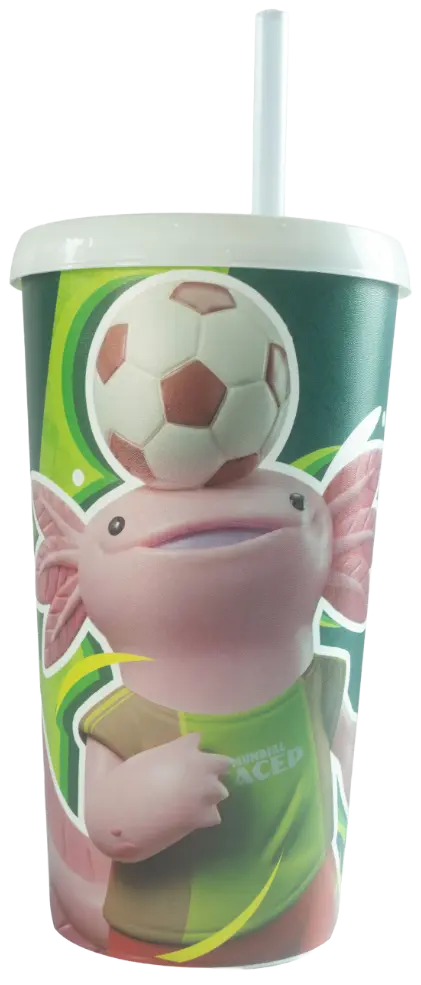
From sketch to cup: the axolotl for Mexico City.
A weekly reveal
We released one cup per week. Every store showed a teaser poster with empty spotlights; each week, staff placed the new character's sticker under its light, until all four were there and people came back to complete the set.
- Black bearMonterrey
- AxolotlMexico City
- Tequila batGuadalajara
- IguanaTabasco
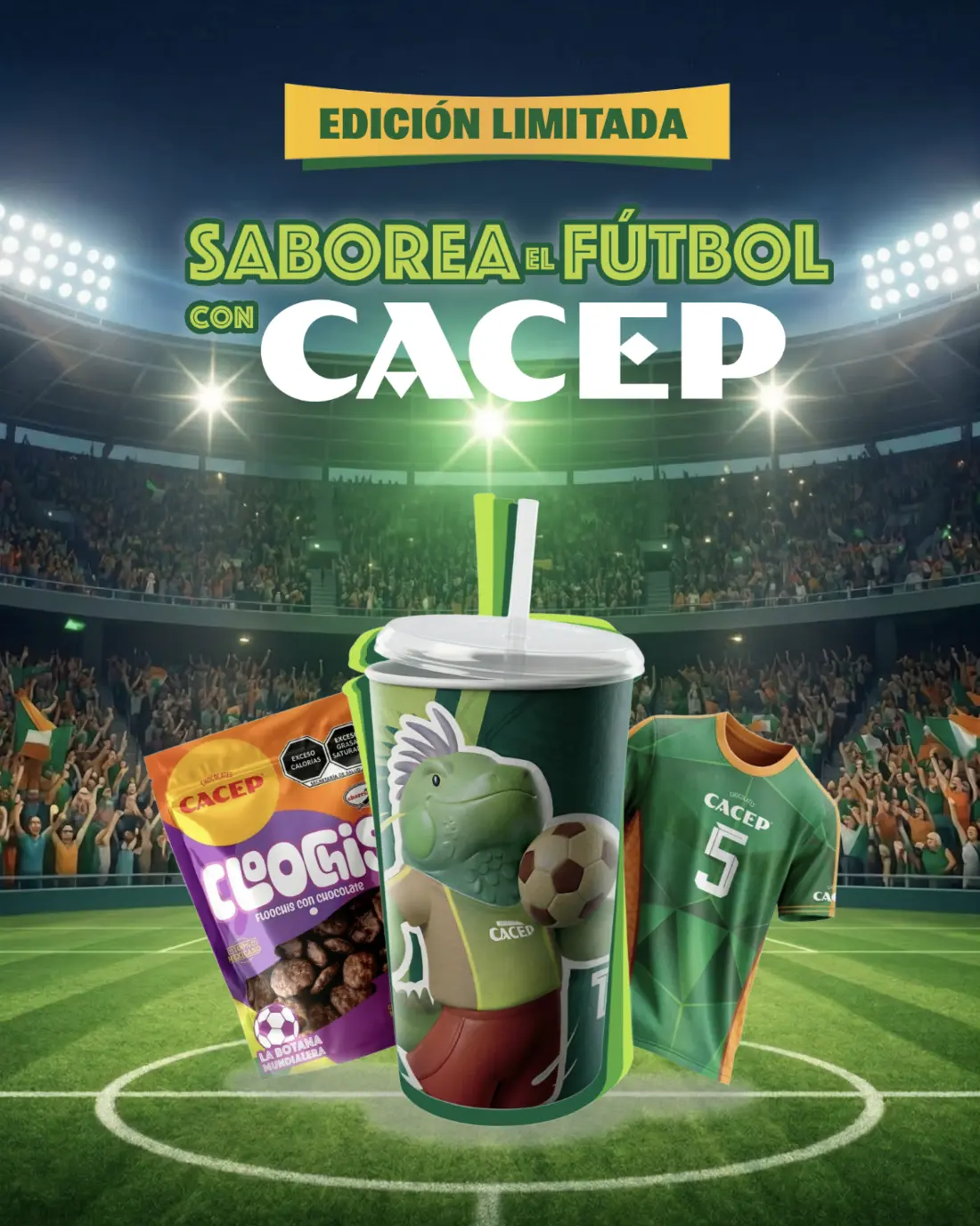
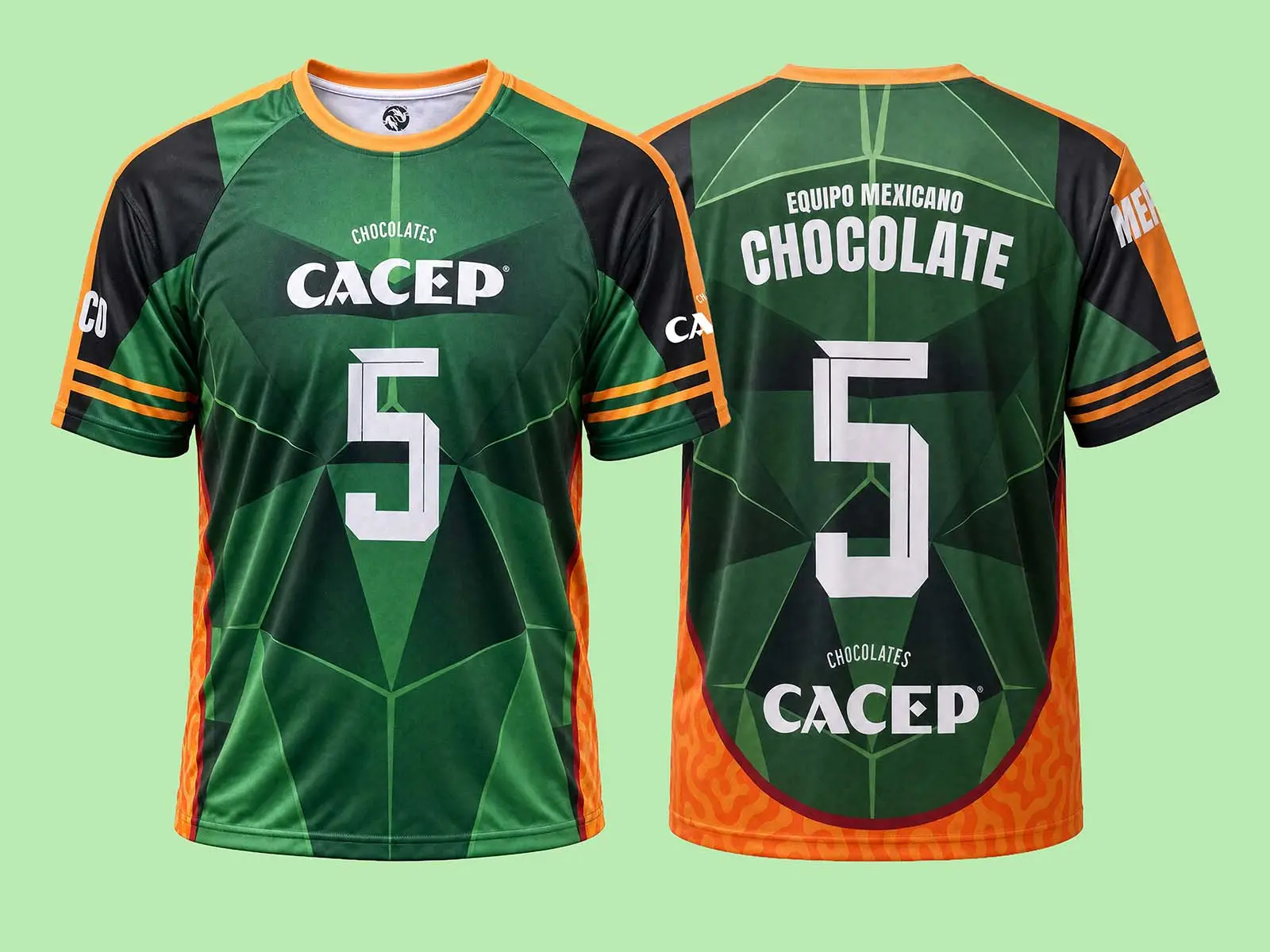
The cups started as an add-on to a drink, for an extra cost. As demand grew, we turned them into a bundle: all four cups, a soccer jersey and a bag of Cloochis, CACEP's chocolate snack. I designed every piece in it, and the ad that launched it.
CACEP still sells chocolate. The cups proved it also sells a brand people want to collect.
Each success earned the next, bigger idea.
A bag that earned trust. A box that sold out. 10,000 cups, gone a month early.
The bags earned me the rest of the product line. The box proved CACEP could sell premium. The cups proved a campaign could move volume. I started as the company's first designer and became its head of design, coordinating a creative team of about seven people alongside our marketing director. I also designed the company website.
What I learned
Small wins buy big bets. Nobody approves a 10,000-unit order on a sketch. They approve it after the last idea worked.
Good design doesn't only make a product look better. It changes what a company believes is possible.
Looking for a designer who can sell the idea, not only draw it?
I’m open to remote brand, packaging and product design roles with teams in the US and Canada.